
Termite Control, Without the Scare Tactics
Drywood and subterranean termite inspections and treatments in the San Gabriel Valley. Honest assessments, warranty-backed work — and most drywood jobs here end with a no-tent localized treatment, not a fumigation pitch. No-tent drywood treatment →
Two termites matter in the San Gabriel Valley and they need opposite treatments. Drywood termites live inside the wood itself and leave little piles of pellets; subterranean termites live in the soil and build mud tubes up the foundation. Pellets usually mean a no-tent localized treatment. Mud tubes mean soil work — in-ground bait stations and targeted treatment at the entry points — and no tent touches those. That is why identification comes before any quote, and why a tent is not the default answer here.
ExterMetro provides licensed drywood and subterranean termite inspection and treatment across the San Gabriel Valley — no-tent localized treatment, in-ground bait station programs, and an annual inspection-and-warranty plan, owner-led on every job. CA SPCB Reg. #8828 · (626) 409-1584.
The San Gabriel Valley has both kinds of termites that matter in California. Drywood termites fly in and live entirely inside attic framing, eaves and trim, leaving little piles of pellets behind. Subterranean termites live in the soil and build mud tubes up your foundation to reach the wood above.
Telling them apart matters, because the treatments are completely different. We are a Branch 3 licensed termite company, and the job starts with a thorough inspection and an honest assessment. If a localized treatment will solve it, that is what we recommend. If the infestation genuinely calls for whole-structure treatment, we say so and explain why, and we coordinate the entire process for you.
Localized spot treatments carry a two-year warranty you can extend year by year through the annual program, and fumigations are backed for two years — with the terms in writing before work begins.
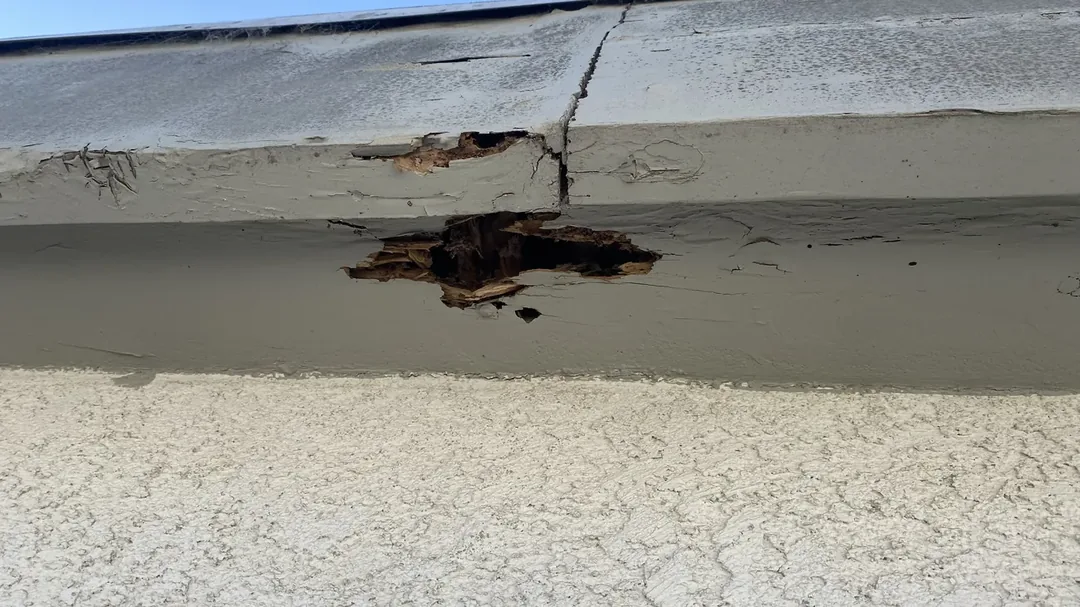
Signs You Have a Problem
- Small piles of pellets (drywood termite droppings) on sills, floors or in the attic
- Mud tubes climbing the foundation, piers or garage slab edges
- Swarms of winged termites indoors or discarded wings on window sills
- Wood that sounds hollow, blisters in paint, or sagging eaves and fascia
Our Approach
Thorough inspection
Attic, eaves, subarea and exterior. We identify the termite type, map the activity and document what we find in plain English.
The right treatment
Localized treatment for accessible drywood infestations, bait-station treatment for subterranean colonies, and whole-structure options when the situation truly requires it.
Warranty & prevention
Warranty-backed work, extended protection plans and prevention advice so a small repair never becomes a structural one.
Residential Services
From the Blog
Start With The Evidence
What Did You Find?
The clue matters. Drywood and subterranean termites are different problems, so the right next step depends on what is actually in front of you.
Small piles below wood
That usually points to drywood activity. See when a localized, no-tent treatment is the right call.
Explore localized treatment →Mud tubesSoil tubes on the foundation
That points to subterranean activity from the soil. See how in-ground bait stations and targeted entry-point work fit together.
Explore bait-station treatment →Wings / unclear damageNot sure what you found?
Wings and damage can have look-alikes. A termite inspection identifies the evidence before anyone recommends treatment.
Start with an inspection →Still not sure? Text a photo of what you found for a free quote.
Three Methods, Three Different Jobs
Which Termite Treatment Do You Need?
There are only three termite treatments that matter for a San Gabriel Valley home, and they are not interchangeable. The evidence you found decides which one applies — not the size of the house, and not who quoted you first. Here is the whole comparison in one table.
| Localized (no-tent) treatment | In-ground bait stations | Whole-structure fumigation | |
|---|---|---|---|
| Termite it treats | Drywood termites | Subterranean termites | Drywood termites |
| Evidence that points to it | Pellet piles, kickout holes, damage in a defined area | Mud tubes on the foundation, soil-packed damaged wood | Pellets in many separated areas, or activity in framing nothing can reach |
| How it works | Fipronil-based foam injected into the galleries; termites spread it through the colony themselves | Stations ringed around the perimeter; foragers carry bait back and the colony collapses | The structure is tarped and gassed so the fumigant reaches every void at once |
| Ideal use case | Limited, accessible drywood infestations — the most common situation in SGV homes | Any confirmed subterranean colony, and homes with ongoing soil-to-wood or moisture pressure | Drywood activity that is genuinely widespread or inaccessible |
| Main limitation | Treats what an inspection can find and a drill can reach — not hidden colonies elsewhere | Works on colony time, over months; does nothing for drywood termites | No residual protection at all — the day the tarp comes off, new swarmers can start over |
| Your disruption | A few hours. You stay home. Nothing bagged. | A few hours in the yard. No trenching. You stay home. | Two to three days out of the house, food bagged, utilities coordinated |
| Warranty | Two years written, extendable year by year | Written warranty, kept in force by the annual service visit | Two years written |
| Read the full page | Localized termite treatment | Subterranean termite treatment | Fumigation prep guide |
Two things fall out of that table that are worth saying plainly. A tent does nothing for subterranean termites — the colony lives in the soil, not in the structure, so the gas leaves it untouched. And bait stations do nothing for drywood termites — those colonies never go to the soil, so they never encounter a station. Anyone selling you one for the other has skipped the identification step.
Not sure which column you are even in? The termite evidence guide walks through every sign termites leave — pellets, kickout holes, mud tubes, shed wings, damage patterns — and the things that are commonly mistaken for them. The decision itself is made at the inspection, in writing, before any money changes hands. If you want the long-form version of the drywood side of it, our spot treatment vs. tenting breakdown works through the honest cases for each. If you found a mud tube, do termite bait stations actually work? explains the baiting side. And whichever method your house needs, the annual termite program is what keeps the warranty alive afterward.
Know The Signs
When To Call About Termites.
- Piles of identical wings on window sills, in spider webs or by doors
- Pellet piles (frass) that look like coarse sand or pepper below exposed wood
- Mud tubes climbing the foundation, piers or garage walls
- Wood that sounds hollow or paint that bubbles and ripples
What shapes the price: which termite you have (drywood and subterranean treatments are completely different), how far the activity extends, and the construction of the home. This is exactly why we identify first and quote second — no tent-first sales tactics.
Every termite job is backed by warranty, and we offer the least invasive option that will genuinely solve the problem — localized treatment when it will work, bigger guns only when it will not.
It's That Time of Year
Swarmer Season in the San Gabriel Valley: Late Summer Through Fall.
Drywood termite swarmers fly here on warm late-summer and fall days — often right as a heat wave breaks. A swarm outside is background noise in the SGV. A swarm inside your house, or a line of identical shed wings on a windowsill, is different: it means a mature colony is already in the structure, releasing its next generation from your framing or eaves. The swarmers themselves die within hours — it's the colony that sent them that matters.
Don't spray or vacuum everything; leave us some evidence. Note which room they showed up in, sweep a few wings into a zip-top bag, and call or text (626) 409-1584 — quotes are free, in person or from photos you text. Not sure they're termites at all? Ants swarm on the same warm days — here's the quick wing-and-waist check. If they check out as termites, the next step is a proper termite inspection. Just watched a tent go up on your block? Here's what it means for your house.
Know What You're Dealing With
Drywood vs. Subterranean Termites.
The San Gabriel Valley has both major termite types, and they call for different work. Drywood termites live inside the wood itself — eaves, attics, window frames, furniture — and leave little piles of pellets; they're the most common in our older homes and are handled with localized treatment or, for a heavy infestation, fumigation. (Tenting scheduled? The fumigation prep guide covers exactly how to get the house ready.) Subterranean termites nest in the soil and build mud tubes up into the structure, and are treated with in-ground bait stations and targeted treatment at active entry points.
Catching either early saves money. Watch for these, and have older homes inspected periodically:
- Piles of tiny pellets (drywood frass) under eaves, sills or furniture
- Mud tubes on the foundation, piers or crawlspace walls (subterranean)
- Swarmers or shed wings near windows — drywood in late summer and fall, subterranean in spring
- Hollow-sounding or blistered wood, and stuck windows and doors
| Drywood termites | Subterranean termites | |
|---|---|---|
| Where they live | Inside dry wood: eaves, attics, window frames, trim, furniture. No soil contact. | Colonies in the soil. They enter at the foundation and slab edges and build mud tubes to reach wood. |
| What you find | Small piles of six-sided pellets (frass) below kickout holes; swarmers or shed wings in late summer and fall. | Mud tubes on foundations, piers or crawlspace walls; damaged wood near soil; swarmers in spring. |
| How we treat it | Localized no-tent treatment when activity is limited and accessible; whole-structure fumigation when it is widespread or hidden. | In-ground bait stations around the perimeter, serviced annually, plus targeted treatment at active entry points. |
| Warranty | Two-year retreatment warranty on localized treatment, extendable year by year through the annual termite program; fumigation backed for two years. | Covered under the written bait-station program and its annual service terms. |
| First step | A Branch 3 termite inspection confirms the species, the extent and the right method. Plenty of San Gabriel Valley homes have both. | |
Warranties cover retreatment only, never damage or repairs; terms are in writing before work starts.
Common Questions
Quick Answers.
Do I always have to tent the house?
No. Tenting is the right tool for widespread drywood infestations, but plenty of jobs can be solved with localized treatment. We tell you honestly which situation you have, and we never use the tent as a sales tactic.
What is the difference between drywood and subterranean termites?
Drywood termites live inside the wood itself and leave pellet piles. Subterranean termites live in the soil and build mud tubes to reach wood. They damage structures differently and require completely different treatments, which is why a proper inspection comes first.
How much does termite treatment cost?
It depends on the type of termite, how widespread it is, and the size and construction of the home — a localized spot treatment is a much smaller job than whole-structure fumigation. Every job starts with an inspection and a free, written quote.
How often should I have my home inspected for termites?
For older SGV homes, every couple of years is reasonable, and any time you see pellets, mud tubes, swarmers or damaged wood. As a licensed Branch 3 company, we inspect the whole structure and tell you exactly what's active and what isn't.
How long does termite treatment take, and do I need to leave home?
It depends on the method. A localized spot or local treatment is usually a few hours and you can normally stay. Whole-structure fumigation means vacating the home for a couple of days. We tell you up front which your situation needs and exactly what to expect.
Do you offer a termite warranty?
Yes — two years on localized spot treatments, extendable year by year after that, and two years on fumigation. We put the terms in writing — what's covered and what retreatment involves — before any work begins. No vague promises.
When do termites swarm in the San Gabriel Valley?
Drywood swarmers fly on warm late-summer and fall days; subterranean swarmers typically fly in spring, often after rain. Swarmers or shed wings indoors — any month — mean an established colony nearby, and that's the moment to book an inspection.
Which termite treatment do I need?
It depends entirely on which termite you have. Drywood termites, the ones that leave pellet piles, are treated with localized injection when the activity is limited and accessible, or whole-structure fumigation when it is genuinely widespread. Subterranean termites, the ones that build mud tubes from the soil, are treated with in-ground bait stations plus targeted treatment at active entry points — fumigation does nothing for them. Identification comes first, at the inspection, and the recommendation goes to you in writing before any work is scheduled.
Do termite bait stations work on drywood termites?
No. In-ground bait stations work because subterranean termites forage through the soil and carry bait back to the nest. Drywood termites spend their entire lives inside the wood and never travel through soil, so they never encounter a station. Drywood infestations have to be treated in the wood itself — localized injection when the activity is limited and accessible, fumigation when it is widespread.
Does a tent kill subterranean termites?
No. Fumigation treats the structure, and subterranean termites live in the soil outside it. The gas kills whatever is inside the wood at that moment, but the colony that sent those termites is underground, untouched, and it simply rebuilds mud tubes afterward. Mud tubes on a foundation call for soil-side work — in-ground bait stations and targeted treatment at active entry points — not a tarp.
Is ExterMetro licensed for termite work in California?
Yes. ExterMetro is a licensed California structural pest control company, CA SPCB Reg. #8828, operating under Branch 3 for wood-destroying organisms as well as general pest work. Any California pest control license can be verified through the Structural Pest Control Board or the Department of Consumer Affairs license search.
Sources and Further Reading
Termite identification and treatment categories in California are documented publicly. If you want to check any of this independently:
- UC IPM: Drywood Termites — the University of California's Statewide IPM Program on drywood identification, evidence, and treatment options.
- UC IPM: Subterranean and Other Termites — mud tubes, swarm timing, moisture conditions, and soil-side treatment.
- California Structural Pest Control Board — the licensing body for termite work in California and the source for what a wood-destroying organisms report must contain.
- SPCB Activity Report Search — search filed WDO reports and completion notices by address.
- DCA License Search — verify any California pest control license, ours included: CA SPCB Reg. #8828.
Ready for a pest-free property?
Free quotes, honest answers, and licensed service that follows through.